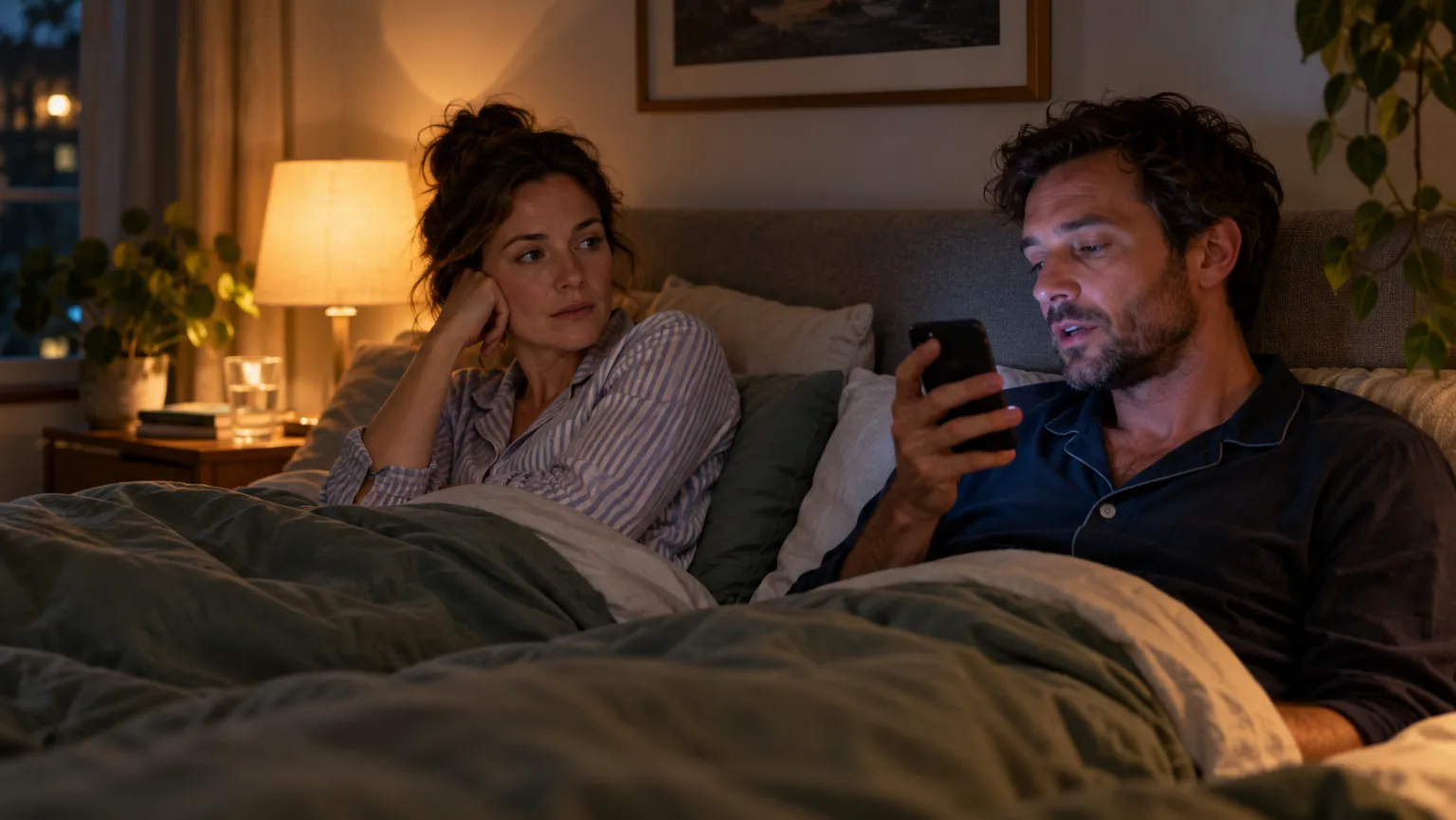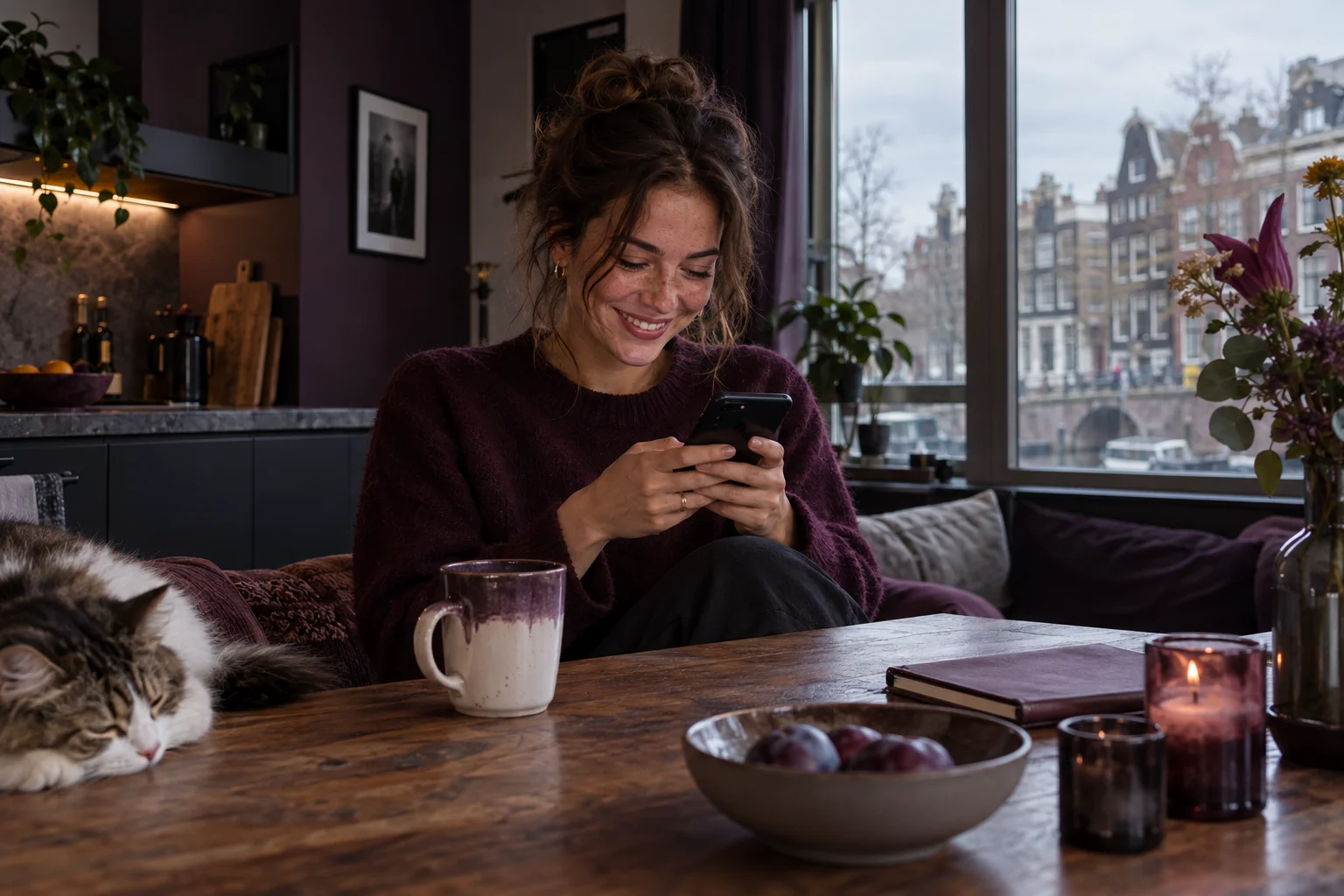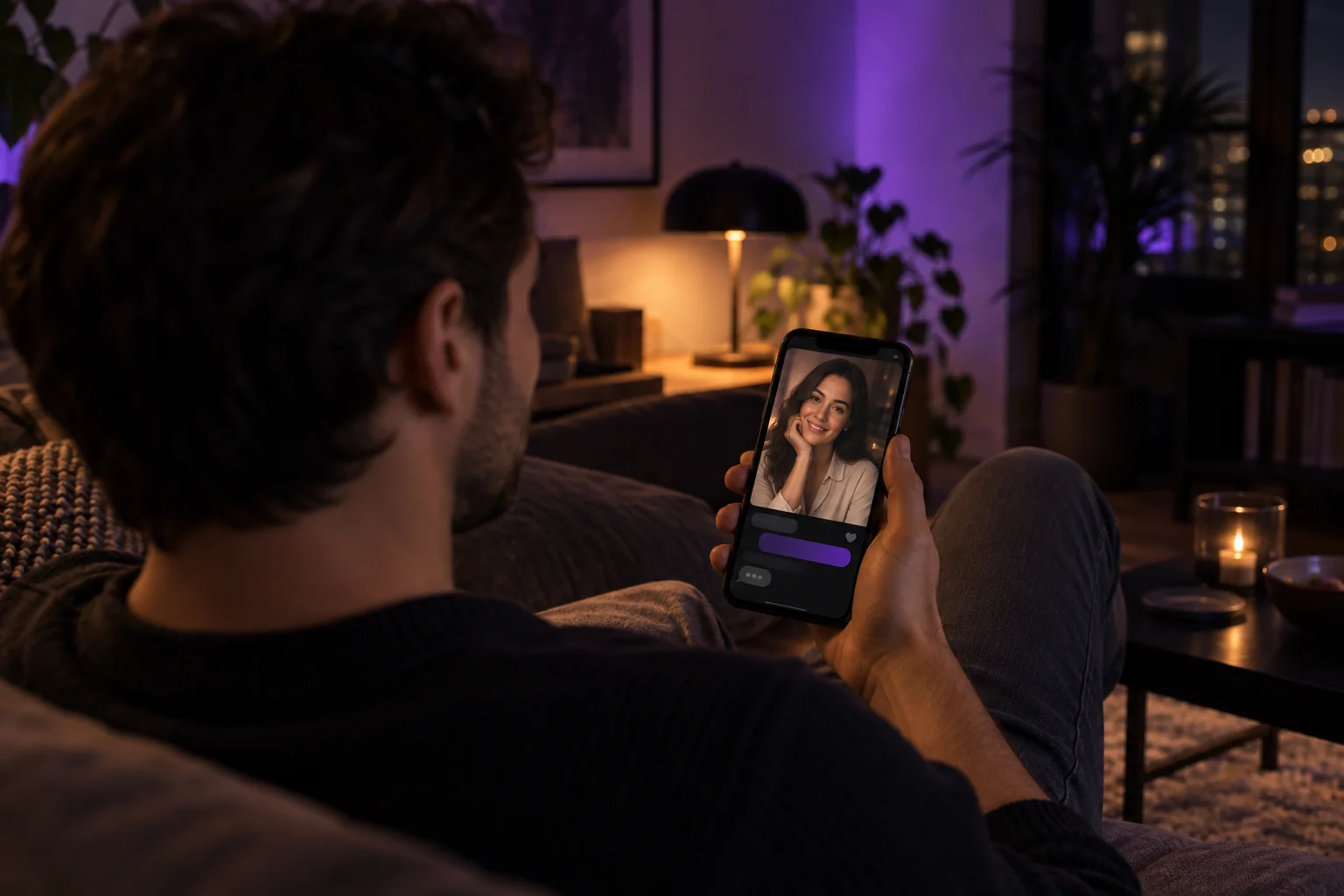
How Realistic Can an AI Girlfriend Be?

Ask someone what a realistic AI girlfriend is and you usually hear something about photos. A face that looks real, not a cartoon avatar. Makes sense, because that is the first thing you see.
But that picture tells you little. An app can have beautiful images and sound like customer service after three messages. And a simply drawn character can feel surprisingly real, if the personality is right and she remembers what you told her.
Realism comes from about seven things at once. Let's go through them.
1. A character who stays herself
Say your AI girlfriend is direct and a bit cheeky in the first conversation. Five minutes later she is shy, and after dinner she is suddenly formal. For no reason. The illusion is gone.
A couple of labels such as "funny" or "confident" won't get you there. A good character has preferences, her own way of talking and things she can't be bothered with. And the hard part: the system has to keep that up, even after a hundred messages.
2. Not saying yes to everything
An AI that thinks everything you say is brilliant is fun on the first evening. By the second evening it gets boring.
Real conversations have a bit of friction. Someone thinks your favourite film is overrated, or doesn't laugh at your joke. That is what makes it feel like talking to someone and not to a mirror.
Being contrary for the sake of it isn't needed either. The reaction has to fit the character. If she likes quiet evenings, she can say she isn't keen on your plan for a festival in the rain.
3. A memory that brings things back at the right moment
You recognise people by what you have been through together. If you mention a job interview tomorrow and someone asks today how it went, that feels personal.
An AI girlfriend works the same way. She doesn't have to remember everything. Just the things that matter: that you can't stand coriander, your sister's name, that interview yesterday.
A perfect memory isn't necessarily more real, by the way. Someone who quotes everything back word for word is creepy rather than cosy. What counts: does she bring up the right detail at the right moment, and can you adjust what she keeps?
How such a system is put together is explained in what is an AI girlfriend.
4. Talking the way people talk
Realism is also about what an AI doesn't do. Nobody answers "finally, the weekend" with an introduction, three points and a summary. Yet many chatbots do exactly that, because they were trained as helpful assistants.
A conversation feels natural when it varies: sometimes a short reply, sometimes a long story. A question back, a joke, a half-finished sentence. And now and then just "haha, so true" with no explanation after it.
For Dutch users there is one more thing: does the AI get our spoken language and dry humour? That is the subject of AI girlfriend in Dutch.
5. A voice that suits her
If your AI girlfriend can talk, her voice becomes a large part of who she is. The sound is only one part of it. Pace, intonation and word choice count just as much.
A calm, slightly mysterious character with the voice of an enthusiastic radio presenter? That doesn't fit, and you hear it straight away.
The better apps therefore try to put the mood of the conversation into the voice as well. A comforting message then sounds different from a teasing one. How well that works still varies a lot between apps.
6. One good photo is easy, twenty of the same person is not
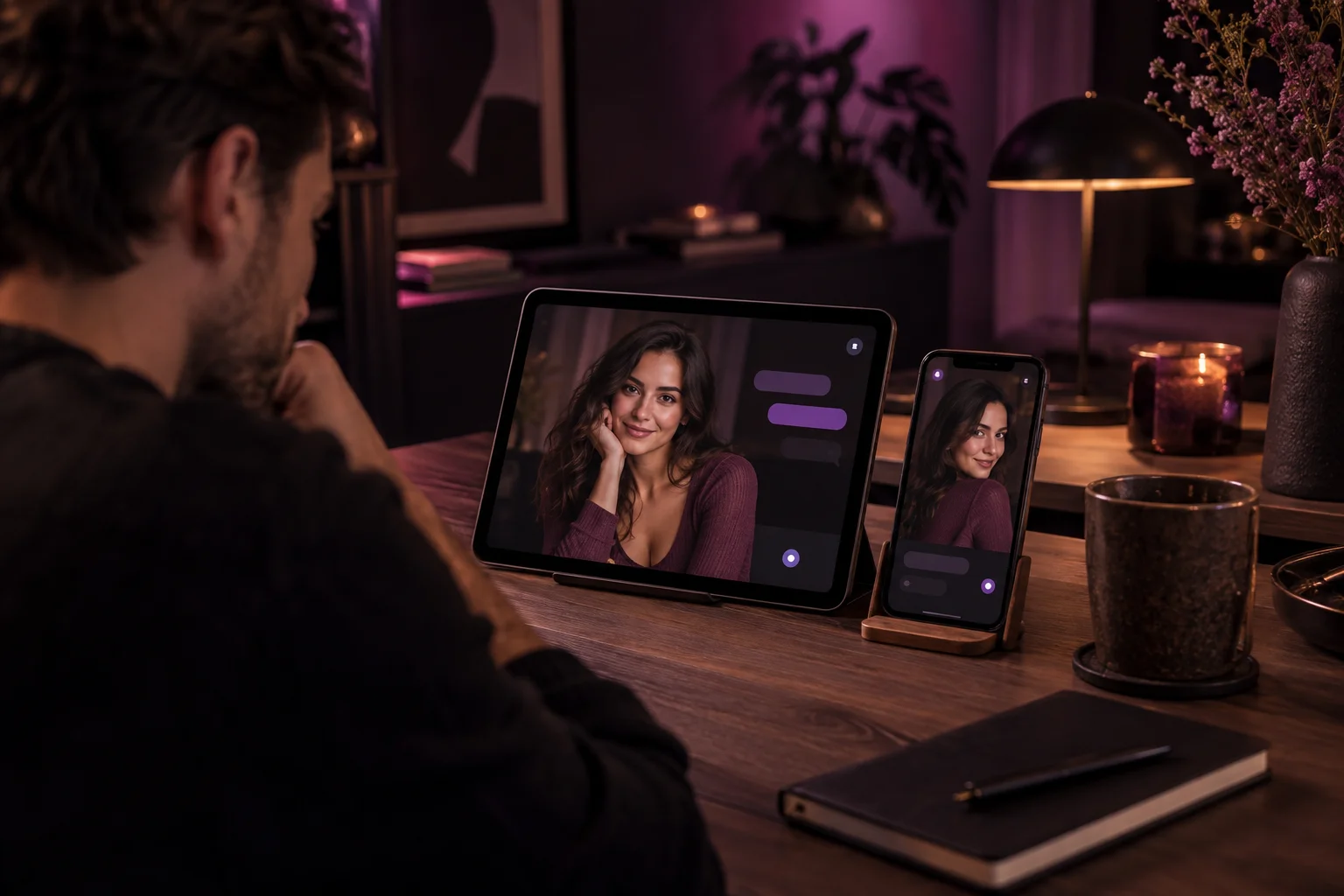
Image generators now produce people you can't tell apart from a photo. One good picture is no achievement any more. The hard part is that she is still the same person in photo twenty.
Look out for this:
- Does the face stay the same, from the side or in different light?
- Do hair, age and build match from photo to photo?
- Does that mole or tattoo simply disappear?
If she looks different in every photo, you believe in the character less. Even if each photo is perfect on its own.
7. Video exposes everything
Video brings it all together: movement, facial expression, voice and timing. That makes mistakes easier to spot. A still face can be perfect, but in motion hands, hair and proportions sometimes shift just a little.
And timing matters. A face that looks real but reacts half a second too late, or too cheerfully, feels extra fake. More media doesn't automatically make an AI girlfriend more real. Sometimes it makes her less so.
Feeling real is different from pretending
There is a clear line between a believable conversation and deception. An AI girlfriend can sound and look very real, as long as she doesn't claim to be a person.
Most users know perfectly well that they are talking to software. That is also the appeal: a made-up character who talks back. A character in a good series doesn't have to exist to move you either.
Setting everything yourself doesn't make it more real
The more you can set yourself, the better? Not necessarily. If you fix every opinion and every reaction, you end up talking to yourself.
It often works better to choose the broad lines and let the character find her own way within them. You choose, for example, a sporty, confident woman. That she hates coriander and secretly loves Eurovision, you only find out after a few conversations. Small surprises like that give more character than a settings screen with a hundred sliders.
Test it yourself
Want to know how realistic an AI girlfriend really is? Look beyond the first five minutes. Almost every app makes a good first impression. Talk to the same character for a few days and watch for this:
- After a week, do you still recognise the same character?
- Does she remember what you said, and use it when it fits?
- Does she dare to disagree, without it becoming random?
- Is she the same in photos and voice as in the chat?
What the characters of the best-known apps look like is in our overview of AI girlfriend apps (in Dutch).
The prettiest is not the most real
A photorealistic face draws you in. Whether you stay depends on something else.
A character who knows what you talked about yesterday, brings back an old joke and sometimes says something you didn't expect but that suits her, ends up feeling more real than a perfect photo with a standard chatbot behind it.
That is why we mostly look at day three. Not at the first picture.